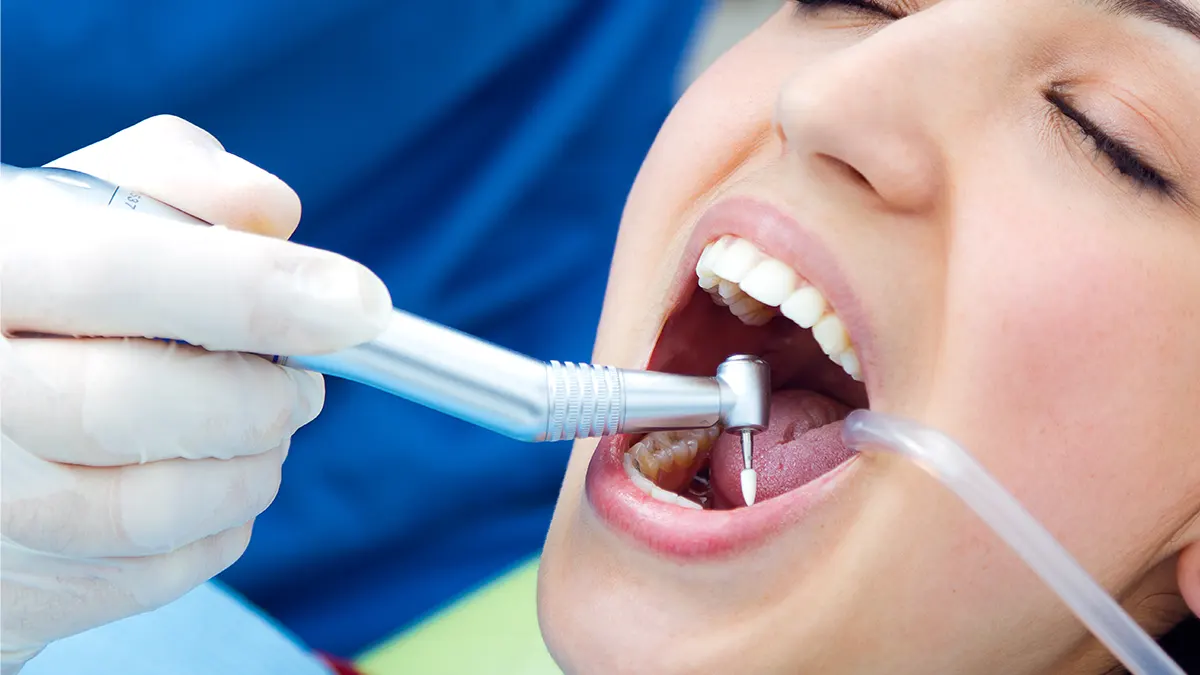
What Is Root Canal Treatment?
Every tooth contains living tissue made up of nerves and blood vessels, known as the pulp. When bacteria reach this tissue through deep decay, a fracture or trauma, inflammation begins. Root canal treatment involves removing the infected pulp, cleaning and shaping the root canals, and sealing them with a suitable filling material.
The fundamental aim is to keep a tooth that would otherwise have to be extracted. Preserving a natural tooth is always the better option, both for chewing function and for the long-term health of the neighbouring teeth and the jawbone.
Signs That Treatment May Be Needed
The most typical sign is pain in response to hot or cold that lingers well after the stimulus is removed. Throbbing pain that worsens at night and wakes you from sleep is another classic symptom. Tenderness on biting, an abscess-like swelling on the gum, darkening of the tooth or facial swelling all indicate a more advanced stage.
In some cases there is no pain at all. Once the pulp tissue has died completely the pain stops, yet the infection continues to progress silently at the root tip. A toothache that goes away is therefore not a sign of recovery, and regular check-ups are decisive in detecting problems that have not yet produced symptoms.
Is the Treatment Painful?
This is the question we are asked most often, and the answer reassures most patients: the procedure is carried out under local anaesthetic and is no more uncomfortable than having a filling. What causes pain is the infection; root canal treatment is what relieves it. Mild tenderness for a few days afterwards is normal and easily managed with simple painkillers.
What Does Treatment Involve?
Radiographs are taken first to assess the number, length and curvature of the root canals. After anaesthesia, the tooth is isolated with a rubber dam to keep it free of saliva — an isolation step that directly affects the success of treatment. The infected tissue is removed, the canals are shaped with rotary instruments and irrigated with disinfectant solutions.
Once the canals are confirmed clean and dry, they are filled three-dimensionally with a biocompatible material. Most cases are completed in a single visit; where infection is advanced or an abscess is present, two or three visits may be required, sometimes with medication left inside the canal between appointments.
Aftercare
A root-treated tooth loses its blood supply and becomes more brittle over time. Placing a crown, particularly on back teeth, substantially reduces the risk of fracture and extends the life of the tooth. Root-treated teeth left without full coverage carry a markedly higher risk of being lost to fracture.
A well-executed, properly restored and well-maintained root-treated tooth can last a lifetime. Follow-up appointments allow healing at the root tip to be monitored radiographically.